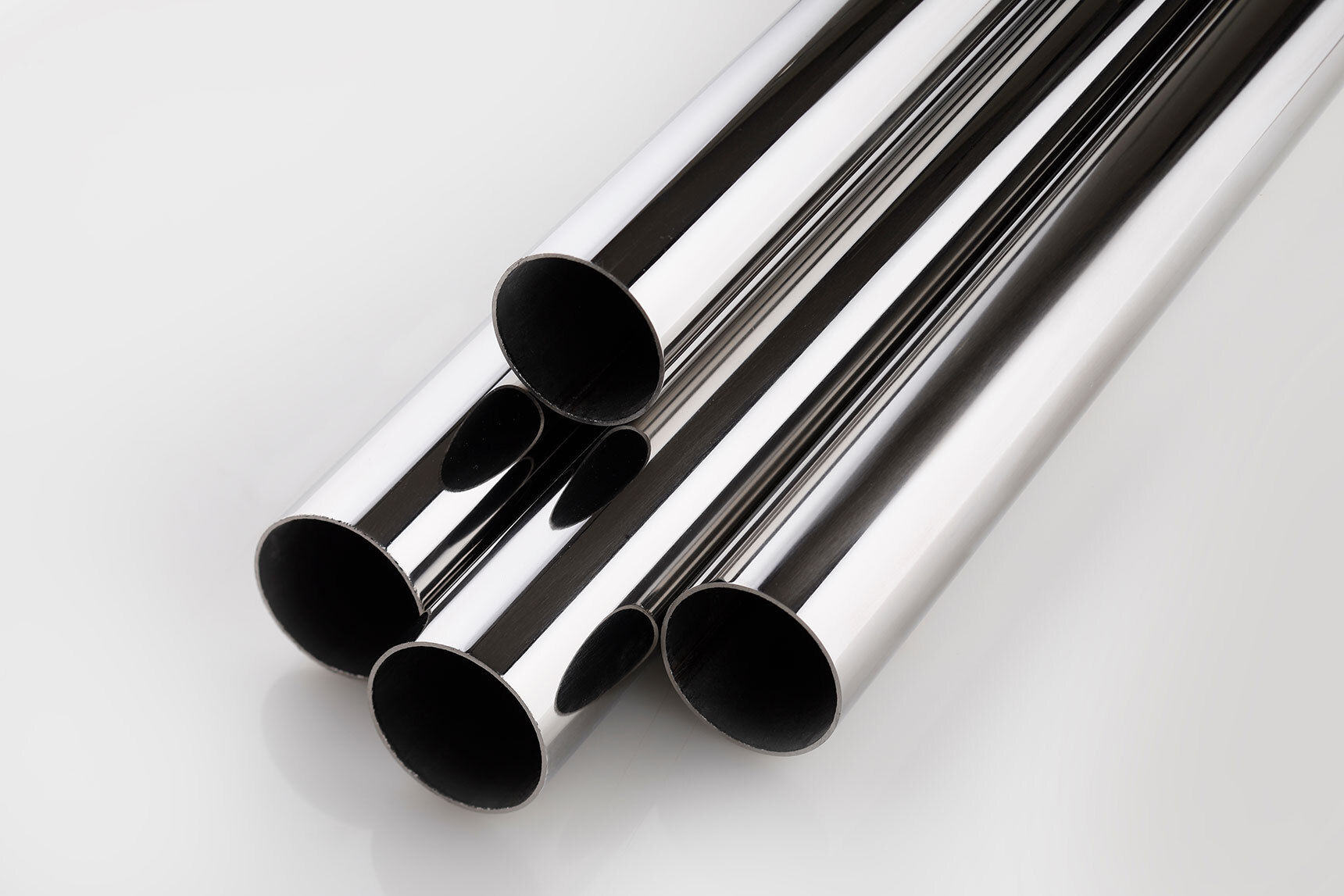
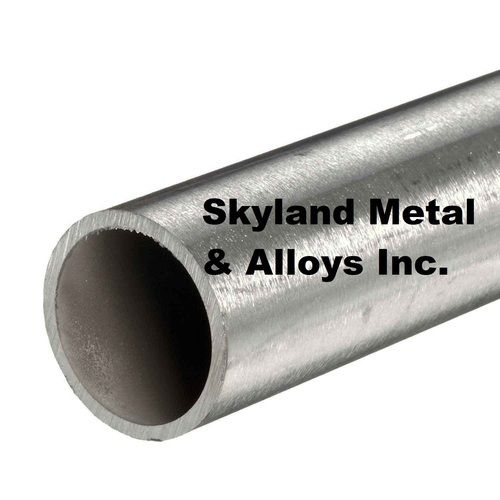
About
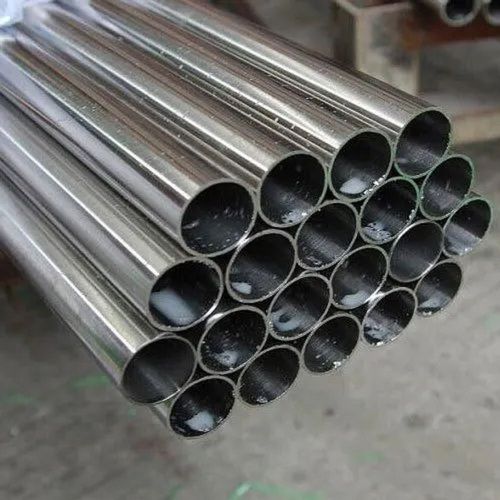
316LN (UNS S31653) is a low-carbon, nitrogen-enhanced version of Type 316 molybdenum-bearing austenitic stainless steel. The Type 316 alloys are more resistant to general corrosion and pitting/crevice corrosion than the conventional chromium-nickel austenitic stainless steels such as Type 304.Exceptional Material PropertiesSS 316LN Tubing boasts a unique combination of high tensile strength, excellent impact toughness at low temperatures, and remarkable corrosion resistance-especially in chloride-rich and acidic environments. Its non-magnetic characteristics in the annealed condition, as well as its formability and weldability, make it suitable for a wide range of technical and architectural applications.
High-Quality Manufacturing and TestingManufactured via cold drawn or hot finished methods, each tube undergoes strict nondestructive testing, including eddy current, hydrostatic, and ultrasonic scans. This ensures consistent wall thickness and product integrity. Our seamless and welded tubes meet ASTM A269, A213, and A312 standards, promising reliability for critical industries.
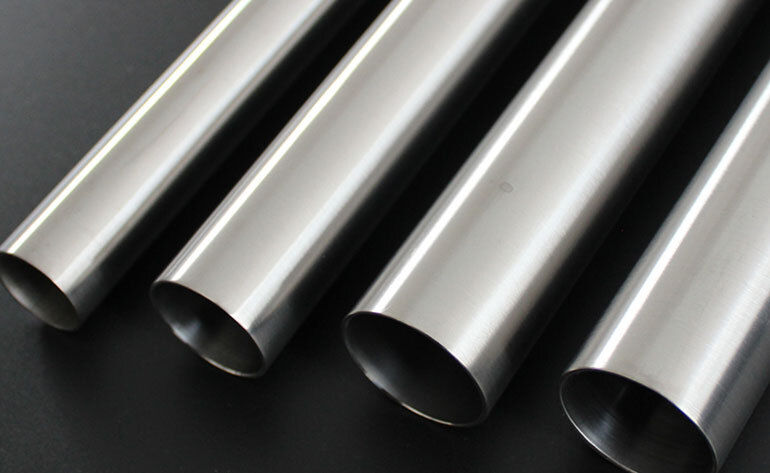
Versatile Customization and ApplicationsAvailable in various shapes-round, square, or rectangular-SS 316LN Tubing supports custom dimensions and finishes. Whether for fluid and gas transfer, structural uses, or architectural projects, it delivers excellent performance. Industries ranging from marine and pharmaceutical to petrochemical and food processing rely on its adaptability, durability, and quality.
FAQ's of Stainless Steel 316LN Tubing:
Q: How is Stainless Steel 316LN Tubing manufactured?
A: Stainless Steel 316LN Tubing is produced through cold drawn or hot finished processes, yielding either seamless or welded types. The tubes are rigorously tested using eddy current, hydrostatic, and ultrasonic methods to ensure compliance with ASTM standards and optimal product quality.
Q: What are the primary benefits of using 316LN Tubing in industrial applications?
A: 316LN Tubing offers outstanding resistance to corrosion, even in environments with chlorides or reducing acids. It maintains high strength and excellent impact toughness at low temperatures, making it particularly well-suited for chemical processing, pharmaceuticals, marine, and oil & gas sectors.
Q: When should I choose seamless tubes over welded tubes for my project?
A: Seamless tubes are preferred when higher pressure ratings, superior structural integrity, or excellent surface finish are required, such as in high-purity chemical and pharmaceutical processes. Welded tubes are suitable for general fluid or structural applications where cost-effectiveness is a priority.
Q: Where can Stainless Steel 316LN Tubing be used?
A: This tubing is widely used in industries such as petrochemicals, chemical processing, food & beverage, marine engineering, pharmaceuticals, and oil & gas, owing to its durability, corrosion resistance, and ability to withstand harsh service conditions.
Q: What sizes and finishes are available for 316LN Tubing?
A: 316LN Tubing is customizable in diameter (from 3.2 mm up to 304.8 mm), thickness (0.5 mm to 12 mm), length (up to 12 meters), and forms (round, square, rectangular), with finishes including mill, polished, pickled, and annealed to suit specific requirements.
Q: How should 316LN Tubing be maintained for extended service life?
A: Regular inspection, cleaning with suitable agents, and adherence to correct installation practices help maintain the tubing's performance. Due to its corrosion-resistant properties, 316LN Tubing requires minimal maintenance even in aggressive environments.